The Physics of Light and Color
The physics of light and color initially appears simple: light is a wave and the wavelength of light determines color. While this basic physical description of light is easy to state, going deeper quickly opens up large range of questions. How do different wavelengths of light combine to make colors? How does light from different sources interfere? How does light change path when it travels through different materials? How do humans sense light both in and outside of the visible spectrum? How does our perception of color affect how we interpret our world? Each question reveals a deeper level of detail and more complexity. While the fundamentals of this course will address the underlying physics of light and color, student interest will drive experimental projects in a variety of areas that extend the ideas of the course. Students with an artistic interest in light and/or color who are interested in developing a deeper understanding of the physics that underlies our visual perception should find this class particularly interesting.
Course Text: Light Science: Physics and the Visual Arts, 2nd Edition, by Rossing & Chiaverina
Openstax Astronomy
We will meet:
Tuesdays from 8:30am to 12:10pm in Dickinson 232
| Date | Topic | Readings | Problem Set | Lab |
| February 17 | Foundations and Light Fundamentals | LS: Ch. 1, 2.1-2.2, 7, 8.1-8.3 OA: Ch. 5.1-5.2 | Problem Set 1 | |
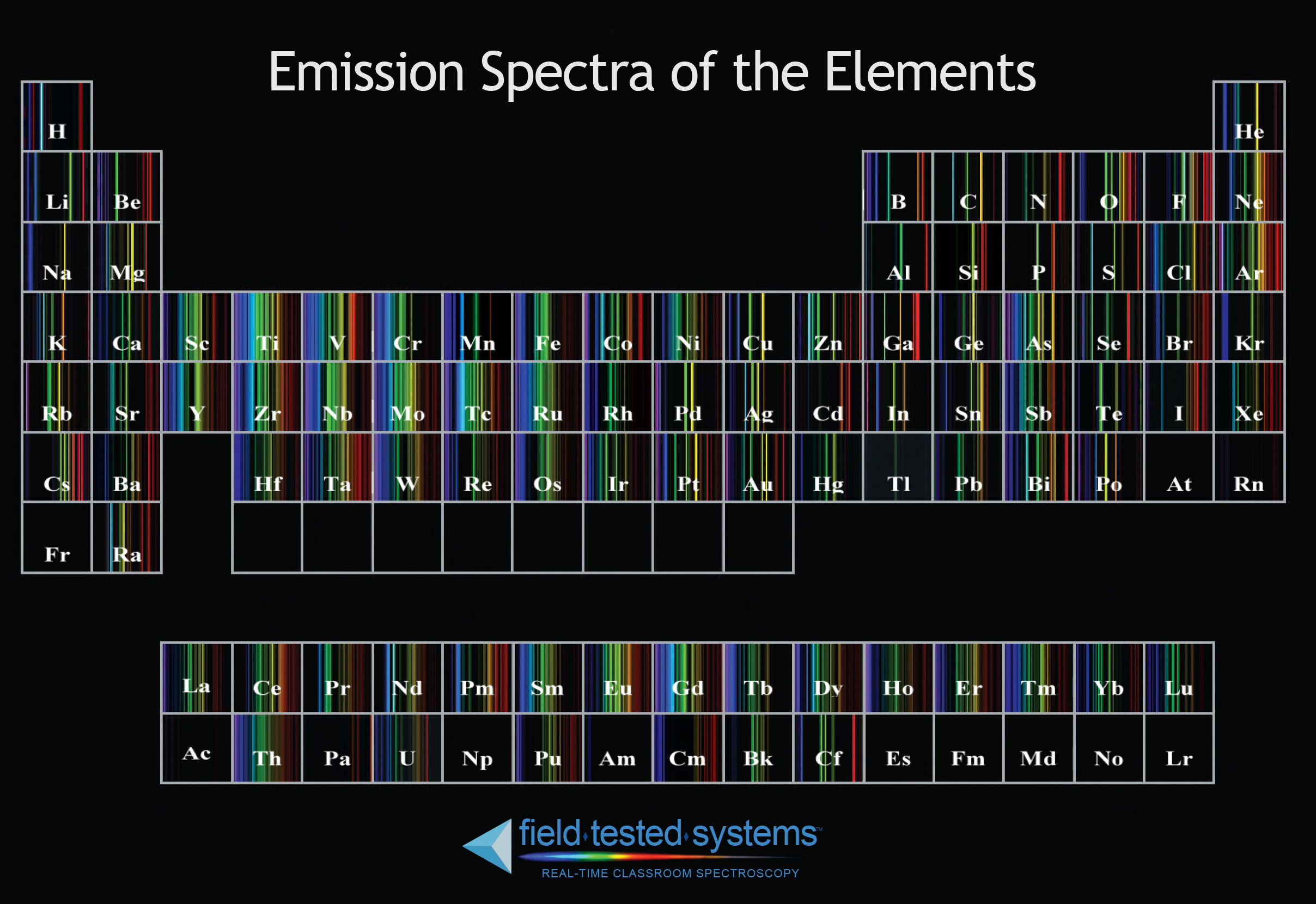
| February 24 | Spectra and Emission Mechanisms H Atom Simulator | LS: Ch. 7 OA: Ch. 5.3-5.5 | Problem Set 2 | Lab 1 Periodic Table Spectra |
| March 3 | Optics | LS: Ch. 3 & 4 Optional: Causes of Refraction | Problem Set 3 | Lab 2 |
| March 10 | Optics (cont.) + Interference | LS: Ch. 5 Cinematographer Explains Camera Lenses | Problem Set 4 Final Project Assignment | |
| March 17 | Polarization + Sensing Light | LS: Ch 6, 9, & 10 | Lab 3 | |
| March 24 | Communicating with Color | |||
| March 31 | Wrap Up + Project Presentations | Images for Lab 4 |